
Stepping up to a blackjack table feels a bit like walking into a busy Adelaide pub on a Friday arvo, except the stakes are digital and the dealer never blinks. For Australians new to the felt, the trick isn’t just knowing when to hit or stand, it’s reading the room you’re playing in. A clean interface can save you from costly mistakes when your head’s already spinning. We reckon the best way to learn is where the visuals do the heavy lifting, which is why we’ve built our own quick-start hub at https://findmeclub.org/ for players who want the rules without the noise.
Reading the Table Before You Play a Hand
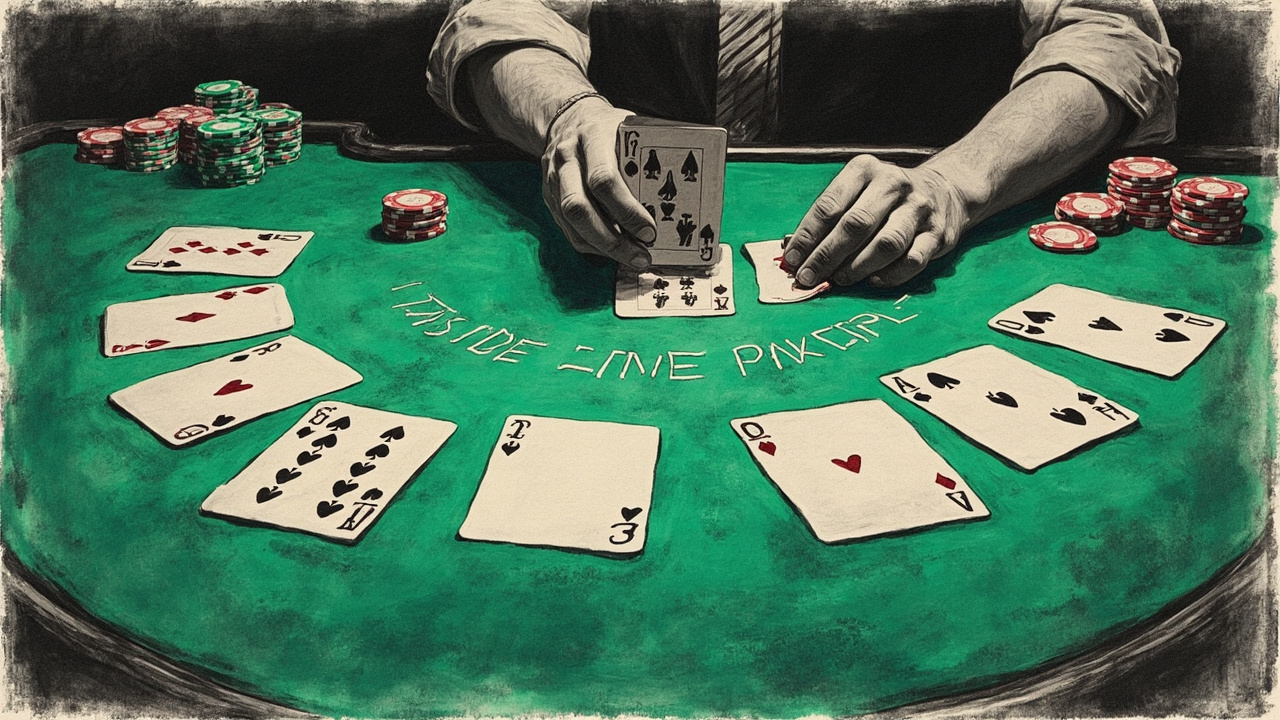
When you first load a blackjack game, the art direction tells you almost everything about how forgiving it’ll be for a new player. Think about how Playtech designs their tables: they keep the card piles distinct, the payout indicators clear, and the dealer animations predictable so you’re not squinting at a busy background when you need to make a split-second call. That same visual discipline matters when you’re learning basic strategy. If the interface blurs the difference between a hard 16 and a soft 16, you’re going to misplay hands before you even understand why. A well-laid-out screen keeps the action cards front and centre, with bet controls sitting where your thumb naturally rests on a phone. We’ve seen plenty of Aussie players lose track of their running count simply because the UI shoves promotional banners over the shoe. The trick is to pick a table where the layout breathes, the chip denominations are obvious, and the hit/stand buttons don’t fight for space with pop-ups. It’s the same judgement call a designer makes when balancing negative space on a slot reel – clutter costs attention, and attention costs chips. Before you drop a single dollar, run your eye across the whole screen and ask whether you could play blindfolded by memory alone. If the answer’s no, find a quieter table.
Managing Your Stack Without the Headache
Bankroll discipline is where most beginners come unstuck, and it’s got nothing to do with luck. Set a session limit before you log on, treat it like a night out at a Hindley Street venue, and walk away when the timer hits, not when your gut says you’re due. We reckon a simple rule works best: never bring more than you’d comfortably spend on a decent dinner and a few drinks, because that mindset keeps the play fun instead of frantic. The interface should help you enforce that, not sabotage it. Look for games that show your remaining balance in plain language, with clear bet sliders rather than fiddly input boxes. If you’re playing on mobile, the controls need to sit within a thumb’s reach and the currency must read in Aussie dollars so you’re not mentally converting every time you tap. A good table also lets you adjust stakes without navigating through three menus, because nothing kills a learning session faster than wrestling with the UI between hands. We’ve seen players blow through a session simply because the game nudges them toward higher bets with flashy animations and bright colours. Keep your eyes on the numbers, not the spectacle, and you’ll keep the play honest.
| Detail | What to Expect |
|---|---|
| Game focus | Classic and multi-hand blackjack tables |
| Providers | Mixed library with strong table visuals |
| Currency | AUD-denominated stakes and payouts |
| Mobile play | Touch-optimised controls, no pinch-to-zoom |
| Registration | Quick sign-up with standard ID checks |
| Support | Live chat and email during local hours |
| Loyalty | Points on table play, redeemable for bonuses |
Everyday Habits That Keep the Game Fun
Blackjack tips for beginners aren’t really about memorising a chart, they’re about building habits that hold up when the cards turn cold. Start at low stakes where a bad beat doesn’t ruin your week, and treat every session like practice rather than a pay day. A practical example: an ordinary Aussie reader might set aside a couple of hours on a quiet Sunday arvo, play twenty hands at the minimum table limit, and stop while they’re ahead instead of chasing a loss they can’t afford. That’s the difference between a hobby and a headache. The best tables respect that rhythm by keeping the pace steady, the animations readable, and the language plain – no fancy jargon hiding behind clever graphics. If the game’s shouting at you with flashing lights and urgent countdown timers, it’s working against your learning curve. We’d rather see a calm, well-spaced layout that lets you think through each decision, because that’s how you actually internalise when to double down and when to fold. Play smart, keep the visuals working for you, and the game stays enjoyable long after the first session.