
When the buy-in disappears, the maths behind the prize pool changes quite a bit. That shift is exactly why poker freeroll tournaments online sit outside the usual casino comparison. From a producing standpoint, I’ve seen operators build these events around volume and player retention rather than rake. For an Australian player scanning options after a long week, the appeal is straightforward: test a new format without handing over cash, and see whether the platform’s software and support actually hold up when the tables get busy.
Why freerolls reward patience over aggression

A freeroll removes the financial risk from the entry, so the player pool tends to be larger and far less predictable than a standard micro-stakes field. In my experience producing online titles, that crowd behaves differently: more players shove light, more hands go to showdown, and the variance spikes for everyone involved. The key is treating the event as a low-cost way to read a room rather than a shortcut to a payout.
The prize pool itself is usually funded by a small sponsorship allocation or a slice of the operator’s marketing budget, which means the payouts are real but modest. You might see a top-ten finish pay out in site credits or a modest cash equivalent, with the winner taking the largest share. That structure encourages repeat entries across multiple sessions, because the cost of sitting out is zero and the learning value is genuine.
I’ve always reckoned freerolls are best used as a diagnostic tool. If a platform’s hand history export, seat selection, and support response hold up during a free event, you’ve learned something useful before any real money ever changes hands. The crowd’s steady losses over many small decisions offset the occasional big winner, and that same statistical balance is what keeps the operator running these events in the first place.
How to approach your first free tournament
Set a simple session goal before you click join
Treat the first entry like a reconnaissance run rather than a shot at the leaderboard. Pick a format you understand – say, a standard no-limit hold’em sit-and-go with ten players – and decide what you want to observe. Are you watching how quickly the software deals, whether the chat and support channels respond when something glitches, or how the blind structure plays out over twenty minutes? Write down one thing you’re measuring, because without a goal the session just becomes noise.
A good mate of mine who works customer-facing in gaming always tells newcomers to cap their focus at three tables. More than that and you stop noticing the patterns that matter. For a beginner, the real win is finishing a session with a clear read on the platform’s pace and stability, not chasing a top-three spot that rarely pays out in free events.

Track the hands that matter, not just the results
After each table, glance at the hands where you folded to a raise or called down light. Those spots tell you more about your own tendencies than the final ranking ever will. If you’re playing on a mobile device, check that the hand history saves properly and that the interface doesn’t lag during post-flop action. I’ve seen operators polish their desktop client while the mobile build still struggles with multi-way pots, and freerolls are often where that gap shows up first.
Make a habit of logging these moments immediately after you leave the felt, because raw self-awareness only becomes useful when you actively compare it against your baseline. For a structured framework that breaks down these mental patterns with the same analytical rigor, read the spin samurai casino review at https://spinsamuraireviews.org/. Applying that same disciplined tracking to your post-session notes will steadily sharpen your decision-making and keep your strategy from drifting.
Keep your bet sizes consistent and avoid the urge to loosen up just because there’s no buy-in. Loose play in a free event usually just teaches you bad habits that carry over later. If you want a structured way to build that discipline, the step-by-step approach below keeps things practical rather than theoretical.
- Choose one event format and stick with it for your first three sessions.
- Set a time limit – forty minutes is plenty – and stop when the timer hits, win or lose. VIP-игра Caribbean Poker в Need For
- Note one software observation and one personal leak after each session.
- Only move up to a higher field or a different variant once you’ve logged three clean sessions.
Matching freeroll play to what you actually want from a site
The right platform for a free tournament isn’t necessarily the one with the flashiest lobby. You want a site that treats these events as a genuine onboarding path, with clear rules, readable prize breakdowns, and support that doesn’t vanish when a dispute comes up. For players in Perth who might be logging on after work or during an arvo break, that reliability matters more than a crowded promotional banner.
Ongoing value after the welcome offer is where a lot of operators separate themselves. Recurring promos, cashback on eligible games, and a loyalty or VIP track that actually rewards repeat play are the things that keep a site useful beyond the first week. Tournament calendars that refresh regularly, rather than running the same field on a loop, give you a reason to return without needing a bonus code every time.
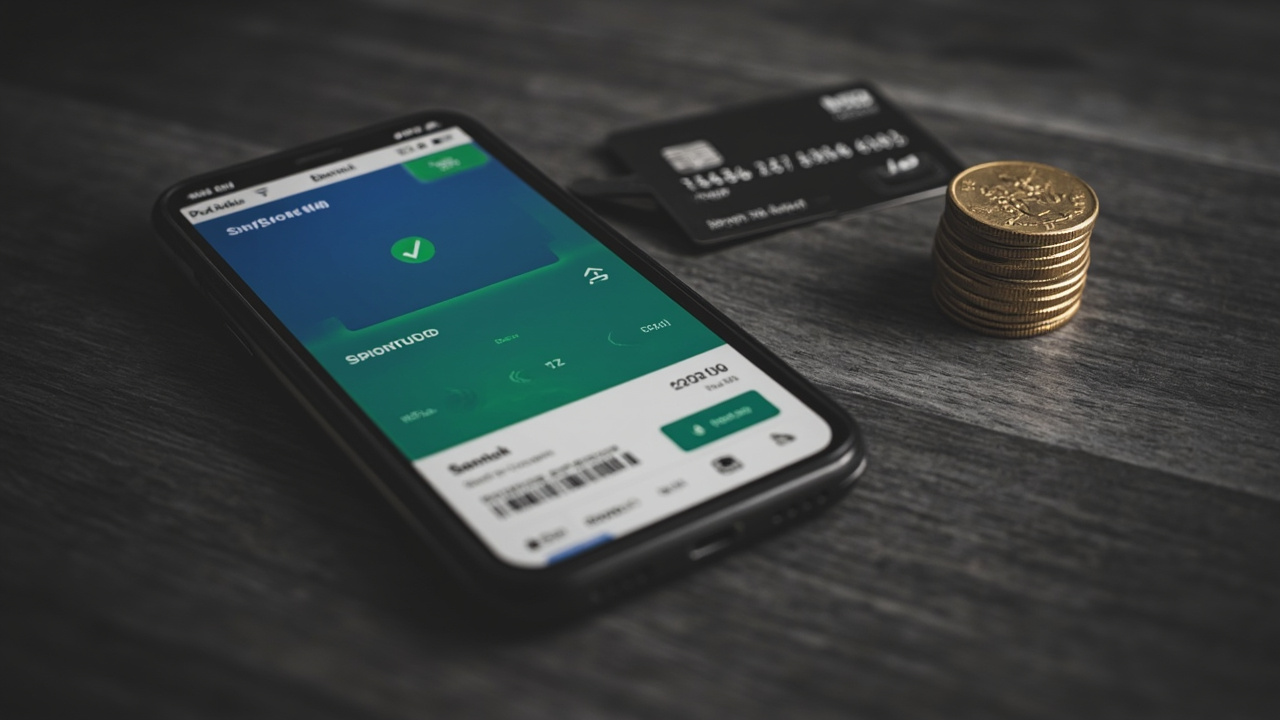
If you’re weighing a platform on these grounds, it helps to compare the freeroll structure against the rest of the offering instead of treating it as a standalone gimmick. A solid operator will let you move from a free field into real-money play without friction, and the registration and verification steps should be consistent across both. You can read a spin samurai casino review to see how one operator stacks up on that broader experience, and if you’re curious about a related table game angle, you can check how VIP-игра Caribbean Poker в Need For Spin works for players in Australia before you decide where to spend your time.
The broader industry context matters here too. Ava Phillips, Board Member, Australian Gaming Futures, has noted that free-to-play tournament formats can widen access to poker-style competition without changing the underlying risk profile for the operator, which is part of why these events keep appearing in regulated and semi-regulated markets alike. That doesn’t make them a shortcut to profit, but it does explain why the format keeps getting refined.
Verdict
Poker freeroll tournaments online work best as a low-cost way to evaluate a platform’s software, support, and tournament pacing before you commit real money. The payouts are modest, the fields are unpredictable, and the real value is in what you learn about your own play and the site itself. Treat them as a diagnostic session, keep your goals simple, and let the recurring promos and loyalty structure – not the free entry – decide whether a platform earns your repeat play.
- Freeroll – a tournament with no buy-in where prizes are funded by the operator or sponsorship rather than player fees.
- Prize pool – the total value available to be distributed among the placed finishers in a tournament.
- Variance – the short-term swing in results that can see a good strategy lose over a small sample of hands or tournaments.
- Rake – the fee an operator takes from pots or tournaments, which is usually absent or reduced in free-to-play events.